
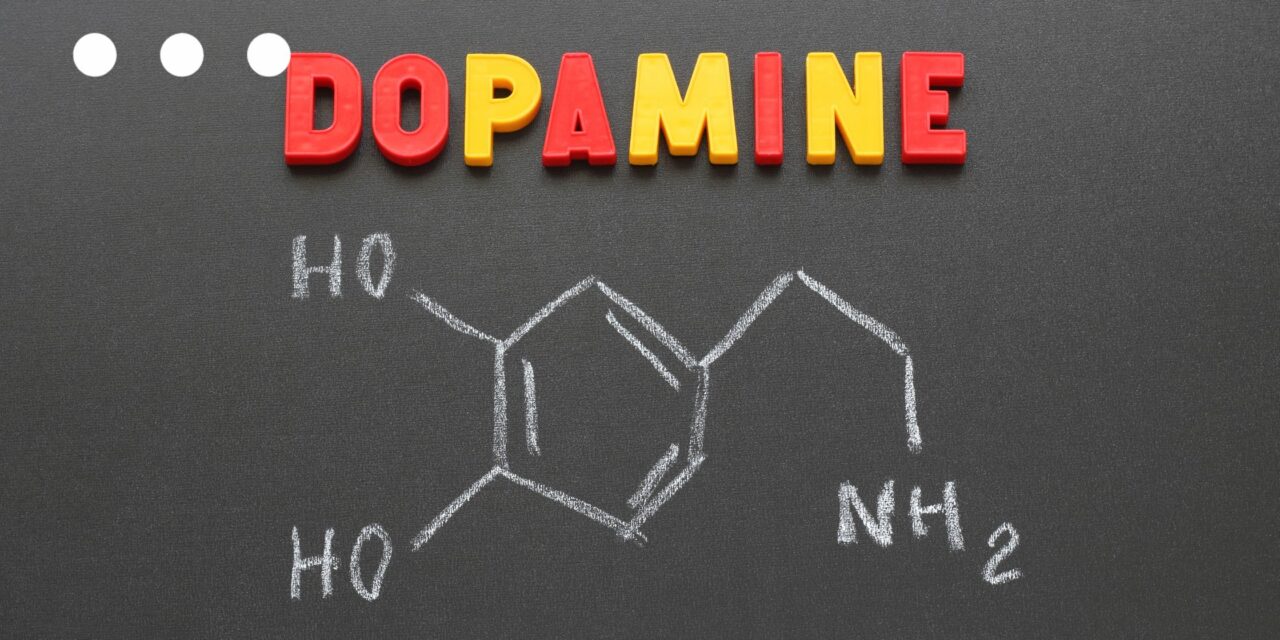
It feels good to feel good, but as the saying goes, it’s possible to have too much of a good thing. This is certainly the case with dopamine, the naturally occurring “feel good” chemical that’s largely the reason why drugs are addictive. The cornerstone of overcoming addiction means resetting the brain’s relationship with dopamine. This is different from the dopamine “resets”, “fasts,” and “detoxes” that have become popular on the internet. Skip the buzzy trends and learn why neuroplasticity is the real deal when it comes to healing the brain after substance abuse.
How addiction rewires the reward system
The source of that jolt of satisfaction you feel when you get a like on your photo is the same one that makes drugs so addictive. The culprit is a naturally occurring neurochemical called dopamine. Drugs effectively flood the brain with dopamine, resulting in feelings of euphoria, often referred to as “being high”.
Meanwhile, the brain is wired to pursue and repeat things that make it feel good — without considering the consequences. It will continue to repeat the action that generated the release of dopamine over and over again. Eventually, however, the brain adapts. Dopamine receptor sensitivity is reduced so everyday rewards feel dull and motivation drops, resulting in low drive, anhedonia, and cognitive fog.
Everyday rewards stop registering, so higher doses or more extreme behaviors are required to achieve the same effect. At the same time, neural pathways that link cues to drug-seeking strengthen, while prefrontal circuits that support planning and impulse control weaken. Stronger and more frequent dopamine “hits” become necessary and end up driving compulsive behavior.
Those changes are biological and treatable because of neuroplasticity, which enables the brain to re-establish healthier connections when given consistent, supportive input.
The misconception behind “dopamine resets”
While the concept of a reset makes sense at face value, the term has become associated with a recent wellness trend that’s more akin to extreme dieting. These “resets” typically involve sudden and drastic deprivation of all things pleasurable, from sex to good-tasting food.
The idea behind it is that by limiting behaviors that would prompt the release of dopamine, the brain’s receptors would become less sensitive to it, essentially lowering one’s dopamine “tolerance.” This thinking falls short in promoting a healthy relationship with dopamine because avoiding pleasure suddenly or for extended periods doesn’t actually lower dopamine levels.
Nor is a “dopamine reset” a realistic goal. The individual credited for this idea (which has actually been around for a while) is psychiatrist Dr. Cameron Sepah. Their intention was never to promote dopamine deprivation, but rather to reduce distractions and overstimulation, to allow us to better reconnect with ourselves and others.
The role of neuroplasticity in addiction recovery (How to actually reset your dopamine sensitivity)
The most effective way to reset our reward system and relationship with dopamine is also the safest. Dr. Sepah and other experts recommend gradual changes that minimize disruption to our lifestyle. For someone in recovery, with chemically induced rewiring of the brain’s reward system, it will require more than putting down the phone for a few hours. A major aspect of this recovery means encouraging natural dopamine production and finding strategies to maintain sobriety until the dopamine levels have returned to normal.
This is possible with neuroplasticity, the brain’s ability to rewire itself. Effective recovery requires consistent behavioral strategies, a strong support system, and, when needed, medical treatment. Over time, these therapies strengthen natural reward pathways, weaken cue-driven circuits, and reset your body’s dopamine levels back to normal.
Medical stabilization and supervised detox are the first steps for someone in recovery. Once detoxification and stabilization occur, there are sustainable and natural ways to increase dopamine in sobriety.
- Nutritional support: Diet affects dopamine production. Include tyrosine-rich foods (chicken, almonds, bananas) and nutrients that support the synthesis of vitamin D, B5, B6, and magnesium to help restore natural dopamine levels.
- Dopamine-boosting activities: Regular exercise, meditation, sunlight exposure, hobbies, and listening to music can naturally increase dopamine levels, improve mood, and reduce cravings.
- Cognitive Behavioral Therapy (CBT): CBT addresses the psychological side of addiction by identifying unhelpful patterns, teaching coping skills, and creating relapse-prevention strategies, like trigger avoidance.
- Mindfulness: Mindfulness practices, such as meditation, increase awareness of cravings, help them pass without acting on them, and reduce stress—an important factor in relapse risk.
What to expect as you recover
Early recovery often means poor sleep, depressed or agitated mood, and low motivation as your brain adjusts; although many people start sleeping better and feel a bit more motivated within 30 days. By 90 days, however, thinking clears up, and everyday activities feel more rewarding. After a year, reward and pleasure receptors in the brain often recover significantly—especially with steady support and consistent practice.
You don’t have to go through this process alone. Find a rehab near you today to find inpatient or outpatient programs for long-term recovery support.